%20%20--%3E%0A%3Csvg%20version%3D%221.1%22%20xmlns%3D%22http%3A%2F%2Fwww.w3.org%2F2000%2Fsvg%22%20xmlns%3Axlink%3D%22http%3A%2F%2Fwww.w3.org%2F1999%2Fxlink%22%20x%3D%220px%22%20y%3D%220px%22%0A%09%20viewBox%3D%220%200%201596.5%20200%22%20style%3D%22enable-background%3Anew%200%200%201596.5%20200%3B%22%20xml%3Aspace%3D%22preserve%22%3E%0A%3Cstyle%20type%3D%22text%2Fcss%22%3E%0A%09.st0%7Bfill%3A%231262AE%3B%7D%0A%09.st1%7Bfill%3A%23FFFFFF%3B%7D%0A%09.st2%7Bfill%3A%23CCCCCB%3B%7D%0A%09.st3%7Bfill%3A%231C2655%3B%7D%0A%3C%2Fstyle%3E%0A%3Cg%20id%3D%22Template%22%3E%0A%3C%2Fg%3E%0A%3Cg%20id%3D%22Layer_2%22%3E%0A%09%3Cpolygon%20class%3D%22st1%22%20points%3D%220%2C29%2034.8%2C29%2034.8%2C200%2064.4%2C200%2064.4%2C29%2099.8%2C29%2099.8%2C0%200%2C0%20%09%22%2F%3E%0A%09%3Cpolygon%20class%3D%22st1%22%20points%3D%22171.6%2C74.6%20142%2C89.7%20142%2C0%20112.4%2C0%20112.4%2C200%20142%2C200%20142%2C122.6%20171.6%2C107.5%20171.6%2C200%20201.2%2C200%20%0A%09%09201.2%2C0%20171.6%2C0%20%09%22%2F%3E%0A%09%3Cpath%20class%3D%22st1%22%20d%3D%22M562.9%2C0h-29.6c-4.5%2C0-7.5%2C1.4-9.3%2C4.3l-5.2%2C11.4c-1.7-6.5-3.4-10.4-4.9-12C511.4%2C1.2%2C508%2C0%2C503.7%2C0h-29.6%0A%09%09c-13.2%2C0-21.5%2C2.2-25%2C6.7c-3.1%2C4.4-4.6%2C11.9-4.6%2C22.3v171h29.6V29h29.6V200h29.6V29h29.6V200h29.6V29c0-9.9-1.7-17.1-5.2-21.9%0A%09%09C583.8%2C2.4%2C575.7%2C0%2C562.9%2C0z%22%2F%3E%0A%09%3Cpath%20class%3D%22st1%22%20d%3D%22M664.3%2C0h-29.6c-13.2%2C0-21.5%2C2.2-25%2C6.7c-3.1%2C4.4-4.6%2C11.9-4.6%2C22.3v142c0%2C9.1%2C1.5%2C16.4%2C4.6%2C22%0A%09%09c4.6%2C4.6%2C13%2C7%2C25%2C7h29.6c13.7%2C0%2C22.1-2.2%2C25.1-6.7c3-4.4%2C4.5-11.9%2C4.5-22.3V29c0-9.9-1.7-17.1-5.2-21.9C685.2%2C2.4%2C677.1%2C0%2C664.3%2C0z%0A%09%09%20M664.3%2C170.9h-29.6V29h29.6V170.9z%22%2F%3E%0A%09%3Cpolygon%20class%3D%22st1%22%20points%3D%22802.3%2C0%20770%2C0.1%20736.1%2C80.2%20736.1%2C0%20706.5%2C0%20706.5%2C200%20736.1%2C200%20736.1%2C155.3%20750%2C123.1%20779.5%2C200%20%0A%09%09811.3%2C200%20766.3%2C84.2%20%09%22%2F%3E%0A%09%3Crect%20x%3D%22817.6%22%20y%3D%220%22%20class%3D%22st1%22%20width%3D%2229.6%22%20height%3D%22200%22%2F%3E%0A%09%3Cpath%20class%3D%22st1%22%20d%3D%22M919.2%2C0h-9c-6.4%2C0-10.9%2C1.3-13.6%2C4l-3.8%2C3.1l-3.5%2C5.7V0h-29.6v200h29.6V28.7h29.9V200h29.6V29%0A%09%09c0-8.1-2.8-15-8.4-20.6C934.8%2C2.8%2C927.7%2C0%2C919.2%2C0z%22%2F%3E%0A%09%3Cpath%20class%3D%22st1%22%20d%3D%22M1021.4%2C0h-29.6c-13.2%2C0-21.5%2C2.2-25%2C6.7c-3.1%2C4.4-4.6%2C11.9-4.6%2C22.3v142c0%2C9.1%2C1.5%2C16.4%2C4.6%2C22%0A%09%09c4.6%2C4.6%2C13%2C7%2C25%2C7h59.5L1051%2C72.8l-44.1%2C22.6v32.8l14.8-7.5v50.2h-29.9V29h29.9v44.2l29.6-15.2V28.9c0-9.8-1.7-17.1-5.2-21.8%0A%09%09C1042.6%2C2.4%2C1034.4%2C0%2C1021.4%2C0z%22%2F%3E%0A%09%3Cpath%20class%3D%22st2%22%20d%3D%22M1161.1%2C0h-29.9c-13.2%2C0-21.5%2C2.2-25%2C6.7c-3.1%2C4.4-4.6%2C11.9-4.6%2C22.3v142c0%2C9.1%2C1.5%2C16.4%2C4.6%2C22%0A%09%09c4.6%2C4.6%2C13%2C7%2C25%2C7h29.9c13.5%2C0%2C21.8-2.4%2C24.8-7.1c3-4.7%2C4.5-12%2C4.5-21.9v-48.5l-29.6%2C15.1l0.3%2C33.4h-29.9V29h29.6v38l29.6-15.4V29%0A%09%09c0-9.9-1.7-17.2-5.2-21.9C1181.7%2C2.4%2C1173.7%2C0%2C1161.1%2C0z%22%2F%3E%0A%09%3Cpath%20class%3D%22st2%22%20d%3D%22M1262.2%2C170.9h-29.6V0H1203v171c0%2C9.1%2C1.5%2C16.4%2C4.6%2C22c4.6%2C4.6%2C13%2C7%2C25%2C7h29.6c13.7%2C0%2C22.1-2.2%2C25.1-6.7%0A%09%09c3-4.4%2C4.5-11.9%2C4.5-22.3V0h-29.6V170.9z%22%2F%3E%0A%09%3Cpath%20class%3D%22st2%22%20d%3D%22M1363.9%2C0h-59.5v200h59.5c13.7%2C0%2C22.1-2.2%2C25.1-6.7c3-4.4%2C4.5-11.9%2C4.5-22.3v-65c0-4.1-1.6-7.6-4.8-10.6%0A%09%09c-3.2-3-6.7-4.5-10.6-4.5c5.4-2.9%2C9.3-5.8%2C11.8-8.8c2.4-3%2C3.6-9%2C3.6-18.1v-35c0-9.8-1.7-17.1-5.2-21.8%0A%09%09C1384.8%2C2.4%2C1376.7%2C0%2C1363.9%2C0z%20M1363.9%2C170.9H1334v-48.5l29.9-15.1V170.9z%20M1363.9%2C74.6L1334%2C89.6V29h29.9L1363.9%2C74.6z%22%2F%3E%0A%09%3Cpath%20class%3D%22st2%22%20d%3D%22M1588.1%2C8.4c-5.6-5.6-12.7-8.4-21.2-8.4h-9c-6.4%2C0-10.9%2C1.3-13.6%2C4l-3.8%2C3.1l-3.5%2C5.7V0h-29.6v200h29.6V28.7%0A%09%09h29.9V200h29.6V29C1596.5%2C20.9%2C1593.7%2C14%2C1588.1%2C8.4z%22%2F%3E%0A%09%3Cpath%20class%3D%22st1%22%20d%3D%22M431.9%2C41.4l0-12.7c0-9.8-1.8-17-5.3-21.7C423.2%2C2.4%2C415%2C0%2C402.1%2C0h-29.7c-13.1%2C0-21.4%2C2.2-24.8%2C6.7%0A%09%09c-3.1%2C4.4-4.6%2C11.9-4.6%2C22.3v63.4l59.4%2C30.4l-0.2%2C48.2h-29.6v-32.3l-29.7%2C14.9l0.1%2C17.2c0%2C9.1%2C1.5%2C16.5%2C4.6%2C22.2%0A%09%09c4.6%2C4.7%2C12.9%2C7%2C24.8%2C7h29.7c13.9%2C0%2C22.3-2.2%2C25.3-6.7c3-4.4%2C4.5-11.9%2C4.5-22.3l-0.2-66.2l-59.3-30V29h29.9l-0.1%2C27.9L431.9%2C41.4z%22%0A%09%09%2F%3E%0A%09%3Cpolygon%20class%3D%22st1%22%20points%3D%22213.8%2C200%20292.4%2C200%20292.4%2C170.9%20243.4%2C170.9%20243.4%2C122.6%20243.4%2C100%20277.6%2C100%20277.6%2C71%20243.4%2C71%20%0A%09%09243.4%2C29%20292.4%2C29%20292.4%2C0%20213.8%2C0%20%09%22%2F%3E%0A%09%3Cpath%20class%3D%22st2%22%20d%3D%22M1465.3%2C0h-29.6c-7.9%2C0-14.9%2C2.9-20.8%2C8.6c-5.9%2C5.7-8.9%2C12.5-8.9%2C20.4v171h29.6v-46.3h29.6V200h29.6V29%0A%09%09c0-8.1-2.8-15-8.4-20.6C1480.8%2C2.8%2C1473.8%2C0%2C1465.3%2C0z%20M1435.7%2C124.6v-2.2V89.6V29h29.6v78.4v17.3H1435.7z%22%2F%3E%0A%3C%2Fg%3E%0A%3C%2Fsvg%3E%0A)

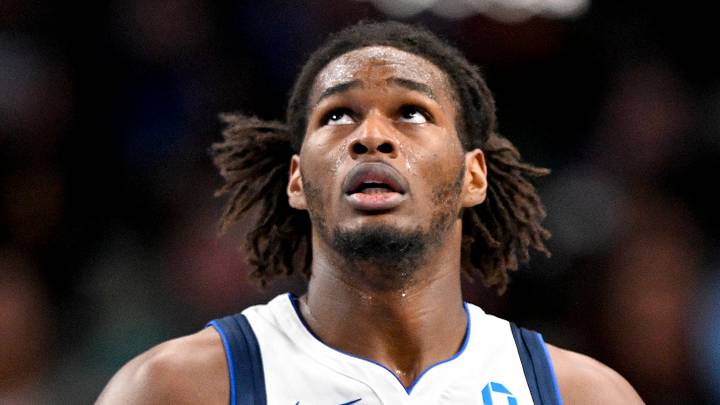
After losing 56 games last season, the Dallas Mavericks entered the offseason facing significant questions about their playmaking abilities. Guards Brandon Williams and Ryan Nembhard held their own when handling point guard responsibilities, but extended stretches exposed the limitations of the team's backcourt duo while Kyrie Irving was sidelined with an ACL tear.
Their effort was rarely in question; rather, their lack of size and consistent perimeter shooting underscored a broader deficiency in the roster. Dallas needed playmakers capable of stretching the floor and making life easier for their teammates.
Mavericks' offseason was filled with change but not enough playmaking
Armed with the ninth overall pick in the 2026 NBA Draft and a newly revamped front office, the Mavericks approached the offseason with a clear objective: build around ascending star Cooper Flagg while preparing for the return of Irving. Dallas needed players who could create their own shots and generate opportunities for others after seeing how the offense played last season. The goal should have been clear.
The front office responded with a significant roster overhaul, with Williams and Nembhard departing and bringing in nine new additions.
Dallas' bet on frontcourt depth is already looking questionable
However, the Mavericks' 128–110 opening-night loss to the Houston Rockets last night exposed a potentially troubling flaw in the team construction: Dallas didn't address their lack of playmaking to maximize their talent.
This was a massive mistake, and this game's result reflects why the Mavs should've taken this need more seriously. Their offense had no flow outside of the first quarter, and the team looked lost whenever both Flagg and Irving were on the bench.
They focused far too much on adding frontcourt depth instead of giving Kyrie some help in the backcourt, and this decision has caused a clear roster imbalance. The Mavs don't have the shooting or playmaking needed to be a strong offensive team, and Wednesday night's loss proved that they have a lot of work to do.
Marcus Sasser, Sergio De Larrea, and Walter Clayton Jr. are the team's only true point guards behind Irving, and that's not enough depth to be a competitive team in the West. They also shot 11-for-37 from three in this game, providing little optimism that they can be a dominant shooting team after shooting 32.4 percent from three during the preseason.
Ninth overall pick Morez Johnson Jr. finished with six points in 14 minutes. The rookie struggled with foul trouble the entire night but flashed concerns that arrived with his scouting report: that he was an undersized forward who had trouble with his perimeter shooting and creating his own shot.
It was that type of night for the remainder of the roster outside of Flagg and the returning Kyrie Irving. Max Christie failed to find a rhythm, Daniel Gafford struggled to find space around the basket, and P.J. Washington finished with a plus-minus rating of -27.
There were some silver linings against Houston
Naji Marshall was one of the only players creating good looks for others, as his lob passes were on point and his paint touches helped open up the floor for his teammates. He finished with 16 points and six assists. This was a promising sign after initial preseason doubts that he could handle backup point guard duties, but he had a good start to the season.
The newcomers offered little relief. De Larrea played just seven minutes, while Zaccharie Risacher struggled offensively and didn't look comfortable. Sasser was the only notable exception, providing a scoring spark off the bench and finishing with 17 points.
One game does not define a season, but new head coach Dusty May has his work cut out for him. He faces the challenge of finding a rotation that can create space for Flagg to operate and help his young star. Unless Dallas finds reliable playmaking beyond its two leading stars, the franchise risks repeating last season’s struggles, and it has even fewer backcourt options to fall back on.
 Add us as a preferred source on Google