%20%20--%3E%0A%3Csvg%20version%3D%221.1%22%20xmlns%3D%22http%3A%2F%2Fwww.w3.org%2F2000%2Fsvg%22%20xmlns%3Axlink%3D%22http%3A%2F%2Fwww.w3.org%2F1999%2Fxlink%22%20x%3D%220px%22%20y%3D%220px%22%0A%09%20viewBox%3D%220%200%201596.5%20200%22%20style%3D%22enable-background%3Anew%200%200%201596.5%20200%3B%22%20xml%3Aspace%3D%22preserve%22%3E%0A%3Cstyle%20type%3D%22text%2Fcss%22%3E%0A%09.st0%7Bfill%3A%231262AE%3B%7D%0A%09.st1%7Bfill%3A%23FFFFFF%3B%7D%0A%09.st2%7Bfill%3A%23CCCCCB%3B%7D%0A%09.st3%7Bfill%3A%231C2655%3B%7D%0A%3C%2Fstyle%3E%0A%3Cg%20id%3D%22Template%22%3E%0A%3C%2Fg%3E%0A%3Cg%20id%3D%22Layer_2%22%3E%0A%09%3Cpolygon%20class%3D%22st1%22%20points%3D%220%2C29%2034.8%2C29%2034.8%2C200%2064.4%2C200%2064.4%2C29%2099.8%2C29%2099.8%2C0%200%2C0%20%09%22%2F%3E%0A%09%3Cpolygon%20class%3D%22st1%22%20points%3D%22171.6%2C74.6%20142%2C89.7%20142%2C0%20112.4%2C0%20112.4%2C200%20142%2C200%20142%2C122.6%20171.6%2C107.5%20171.6%2C200%20201.2%2C200%20%0A%09%09201.2%2C0%20171.6%2C0%20%09%22%2F%3E%0A%09%3Cpath%20class%3D%22st1%22%20d%3D%22M562.9%2C0h-29.6c-4.5%2C0-7.5%2C1.4-9.3%2C4.3l-5.2%2C11.4c-1.7-6.5-3.4-10.4-4.9-12C511.4%2C1.2%2C508%2C0%2C503.7%2C0h-29.6%0A%09%09c-13.2%2C0-21.5%2C2.2-25%2C6.7c-3.1%2C4.4-4.6%2C11.9-4.6%2C22.3v171h29.6V29h29.6V200h29.6V29h29.6V200h29.6V29c0-9.9-1.7-17.1-5.2-21.9%0A%09%09C583.8%2C2.4%2C575.7%2C0%2C562.9%2C0z%22%2F%3E%0A%09%3Cpath%20class%3D%22st1%22%20d%3D%22M664.3%2C0h-29.6c-13.2%2C0-21.5%2C2.2-25%2C6.7c-3.1%2C4.4-4.6%2C11.9-4.6%2C22.3v142c0%2C9.1%2C1.5%2C16.4%2C4.6%2C22%0A%09%09c4.6%2C4.6%2C13%2C7%2C25%2C7h29.6c13.7%2C0%2C22.1-2.2%2C25.1-6.7c3-4.4%2C4.5-11.9%2C4.5-22.3V29c0-9.9-1.7-17.1-5.2-21.9C685.2%2C2.4%2C677.1%2C0%2C664.3%2C0z%0A%09%09%20M664.3%2C170.9h-29.6V29h29.6V170.9z%22%2F%3E%0A%09%3Cpolygon%20class%3D%22st1%22%20points%3D%22802.3%2C0%20770%2C0.1%20736.1%2C80.2%20736.1%2C0%20706.5%2C0%20706.5%2C200%20736.1%2C200%20736.1%2C155.3%20750%2C123.1%20779.5%2C200%20%0A%09%09811.3%2C200%20766.3%2C84.2%20%09%22%2F%3E%0A%09%3Crect%20x%3D%22817.6%22%20y%3D%220%22%20class%3D%22st1%22%20width%3D%2229.6%22%20height%3D%22200%22%2F%3E%0A%09%3Cpath%20class%3D%22st1%22%20d%3D%22M919.2%2C0h-9c-6.4%2C0-10.9%2C1.3-13.6%2C4l-3.8%2C3.1l-3.5%2C5.7V0h-29.6v200h29.6V28.7h29.9V200h29.6V29%0A%09%09c0-8.1-2.8-15-8.4-20.6C934.8%2C2.8%2C927.7%2C0%2C919.2%2C0z%22%2F%3E%0A%09%3Cpath%20class%3D%22st1%22%20d%3D%22M1021.4%2C0h-29.6c-13.2%2C0-21.5%2C2.2-25%2C6.7c-3.1%2C4.4-4.6%2C11.9-4.6%2C22.3v142c0%2C9.1%2C1.5%2C16.4%2C4.6%2C22%0A%09%09c4.6%2C4.6%2C13%2C7%2C25%2C7h59.5L1051%2C72.8l-44.1%2C22.6v32.8l14.8-7.5v50.2h-29.9V29h29.9v44.2l29.6-15.2V28.9c0-9.8-1.7-17.1-5.2-21.8%0A%09%09C1042.6%2C2.4%2C1034.4%2C0%2C1021.4%2C0z%22%2F%3E%0A%09%3Cpath%20class%3D%22st2%22%20d%3D%22M1161.1%2C0h-29.9c-13.2%2C0-21.5%2C2.2-25%2C6.7c-3.1%2C4.4-4.6%2C11.9-4.6%2C22.3v142c0%2C9.1%2C1.5%2C16.4%2C4.6%2C22%0A%09%09c4.6%2C4.6%2C13%2C7%2C25%2C7h29.9c13.5%2C0%2C21.8-2.4%2C24.8-7.1c3-4.7%2C4.5-12%2C4.5-21.9v-48.5l-29.6%2C15.1l0.3%2C33.4h-29.9V29h29.6v38l29.6-15.4V29%0A%09%09c0-9.9-1.7-17.2-5.2-21.9C1181.7%2C2.4%2C1173.7%2C0%2C1161.1%2C0z%22%2F%3E%0A%09%3Cpath%20class%3D%22st2%22%20d%3D%22M1262.2%2C170.9h-29.6V0H1203v171c0%2C9.1%2C1.5%2C16.4%2C4.6%2C22c4.6%2C4.6%2C13%2C7%2C25%2C7h29.6c13.7%2C0%2C22.1-2.2%2C25.1-6.7%0A%09%09c3-4.4%2C4.5-11.9%2C4.5-22.3V0h-29.6V170.9z%22%2F%3E%0A%09%3Cpath%20class%3D%22st2%22%20d%3D%22M1363.9%2C0h-59.5v200h59.5c13.7%2C0%2C22.1-2.2%2C25.1-6.7c3-4.4%2C4.5-11.9%2C4.5-22.3v-65c0-4.1-1.6-7.6-4.8-10.6%0A%09%09c-3.2-3-6.7-4.5-10.6-4.5c5.4-2.9%2C9.3-5.8%2C11.8-8.8c2.4-3%2C3.6-9%2C3.6-18.1v-35c0-9.8-1.7-17.1-5.2-21.8%0A%09%09C1384.8%2C2.4%2C1376.7%2C0%2C1363.9%2C0z%20M1363.9%2C170.9H1334v-48.5l29.9-15.1V170.9z%20M1363.9%2C74.6L1334%2C89.6V29h29.9L1363.9%2C74.6z%22%2F%3E%0A%09%3Cpath%20class%3D%22st2%22%20d%3D%22M1588.1%2C8.4c-5.6-5.6-12.7-8.4-21.2-8.4h-9c-6.4%2C0-10.9%2C1.3-13.6%2C4l-3.8%2C3.1l-3.5%2C5.7V0h-29.6v200h29.6V28.7%0A%09%09h29.9V200h29.6V29C1596.5%2C20.9%2C1593.7%2C14%2C1588.1%2C8.4z%22%2F%3E%0A%09%3Cpath%20class%3D%22st1%22%20d%3D%22M431.9%2C41.4l0-12.7c0-9.8-1.8-17-5.3-21.7C423.2%2C2.4%2C415%2C0%2C402.1%2C0h-29.7c-13.1%2C0-21.4%2C2.2-24.8%2C6.7%0A%09%09c-3.1%2C4.4-4.6%2C11.9-4.6%2C22.3v63.4l59.4%2C30.4l-0.2%2C48.2h-29.6v-32.3l-29.7%2C14.9l0.1%2C17.2c0%2C9.1%2C1.5%2C16.5%2C4.6%2C22.2%0A%09%09c4.6%2C4.7%2C12.9%2C7%2C24.8%2C7h29.7c13.9%2C0%2C22.3-2.2%2C25.3-6.7c3-4.4%2C4.5-11.9%2C4.5-22.3l-0.2-66.2l-59.3-30V29h29.9l-0.1%2C27.9L431.9%2C41.4z%22%0A%09%09%2F%3E%0A%09%3Cpolygon%20class%3D%22st1%22%20points%3D%22213.8%2C200%20292.4%2C200%20292.4%2C170.9%20243.4%2C170.9%20243.4%2C122.6%20243.4%2C100%20277.6%2C100%20277.6%2C71%20243.4%2C71%20%0A%09%09243.4%2C29%20292.4%2C29%20292.4%2C0%20213.8%2C0%20%09%22%2F%3E%0A%09%3Cpath%20class%3D%22st2%22%20d%3D%22M1465.3%2C0h-29.6c-7.9%2C0-14.9%2C2.9-20.8%2C8.6c-5.9%2C5.7-8.9%2C12.5-8.9%2C20.4v171h29.6v-46.3h29.6V200h29.6V29%0A%09%09c0-8.1-2.8-15-8.4-20.6C1480.8%2C2.8%2C1473.8%2C0%2C1465.3%2C0z%20M1435.7%2C124.6v-2.2V89.6V29h29.6v78.4v17.3H1435.7z%22%2F%3E%0A%3C%2Fg%3E%0A%3C%2Fsvg%3E%0A)

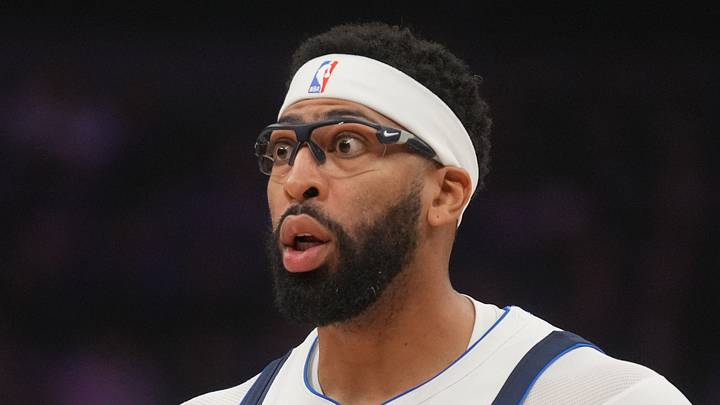
Back in February, the Dallas Mavericks sent Anthony Davis, Jaden Hardy, D'Angelo Russell, and Dante Exum to the Washington Wizards in a stunning trade, receiving a handful of salary-matching components and five draft picks in return. While shipping out a 10-time All-Star for what initially felt like a bag of chips was difficult to stomach, the deal quietly created several avenues for Dallas to improve its roster this offseason.
The Anthony Davis trade will pay off through Mavericks’ trade exceptions
One of those opportunities may already be presenting itself.
According to Marc Stein, the Mavericks have emerged as a leading suitor to acquire Detroit Pistons guard Marcus Sasser via trade. While Dallas can't simply absorb Sasser into the trade exception created by shipping Hardy's $6 million salary to Washington, as initially believed, the Mavericks still have multiple salary-cap mechanisms available to make a deal for this under-the-radar guard work.
Still, it seems confusing how Dallas came away from a single trade with multiple ways to acquire players. But it all comes down to contract math.
In the trade, Dallas sent roughly $68 million in salary to the Wizards, including Davis' massive $54 million contract. In return, the Mavericks took back approximately $45.6 million, creating a salary gap of about $22.4 million. That difference allowed Dallas to generate multiple trade exceptions, giving the front office added flexibility to pursue players this offseason.
Of Dallas' three trade exceptions, one is worth $20.8 million and stems directly from shipping out Davis, another is valued at $2.9 million after the Mavericks used part of the original exception to absorb AJ Johnson's contract, and the third is a $2.3 million exception created by including Exum in the deal. It's also worth noting that trade exceptions don't have to be used all at once. Teams can use only a portion of an exception in a trade, as Dallas already did when it acquired Johnson.
And with so many trades made in today's NBA, it might seem like plenty of teams could use similar trade exceptions to acquire a player like Sasser, right? Wrong. Not every team has that kind of flexibility.
While several franchises possess trade exceptions, the Mavericks are among the few teams with multiple meaningful trade exceptions and additional cap flexibility, giving them several avenues to absorb salary depending on the deal structure.
How Marcus Sasser fits Into Dallas’ trade exception strategy
As a result, a player like Sasser, who's owed roughly $5.2 million next season, makes plenty of sense as a low-cost addition. His salary could easily be absorbed into the Anthony Davis trade exception, leaving the Mavericks with more than $15 million still available to use in future deals.
But there’s more. Readers might look at the $20 million trade exception and think, “Why not use this to go after a bigger fish?” That’s fair, and in theory, Dallas could. But there’s another line of thinking here: acquiring a player like Sasser isn’t just about the player himself… it also opens the door to potential draft compensation as part of the deal.
The Pistons are expected to be aggressive this offseason after a conference-best regular season that ended in a second-round playoff exit. With players such as Austin Reaves, Norman Powell, and Tyler Herro reportedly having been on Detroit’s radar, even moving off Sasser’s modest $5.2 million salary becomes meaningful.
In that kind of framework, additional assets, potentially including draft compensation, can come into play for a team like the Mavericks, who have the flexibility to absorb his salary without sending a player back.
Why Marcus Sasser’s role in Detroit makes him a trade candidate
This isn’t to say Sasser is a detriment. He’s averaged 7.0 points, 2.7 assists, and 1.2 three-pointers per game across his NBA career, but he hasn’t been given consistent playing time to showcase his skill set in Detroit.
He appeared in just 38 games this past season and was largely out of the rotation in the playoffs. With Cade Cunningham handling a heavy offensive workload and the emergence of Daniss Jenkins as a backup option, Sasser’s pathway to a meaningful role in Detroit has become increasingly limited. He still has the skills to be a rotation player somewhere; J.B. Bickerstaff just didn't lean on him as much as his previous coaches did.
Despite his role being ripped away from him by the Pistons, he's much better than his stats suggest. Sasser has truly become an underrated player for one of the Eastern Conference's top teams, and we could see him take a major jump if they send him to a team like the Mavericks.
Dallas would represent a fresh start for the former Houston guard and a strong schematic fit. While Sasser doesn't provide much rim pressure and is more of a smaller guard, he is a career 38.2 percent 3-point shooter who can hold his own defensively against opposing point guards. He's too good a shooter to be riding the bench, and we could see a complete resurgence if Dallas takes a swing on him.
The Mavericks aren’t necessarily in search of a primary playmaker or a rugged defender (two areas that aren’t Sasser’s strengths), which makes the fit more plausible. Dallas already has multiple initiators in Kyrie Irving and other ball-handling options, allowing Sasser to operate more comfortably as an off-ball shooter. And while he is undersized, the Mavericks’ frontcourt depth helps offset those physical limitations on the defensive end.
Still, shooting is what makes Sasser such a strong fit. Dallas spurned shooting in the NBA Draft, despite it being one of its biggest weaknesses last season. As a result, the Mavericks will need to address that gap in free agency and via trade. That’s where Sasser comes in.
In the end, Dallas’ collection of trade exceptions gives them a flexible avenue to acquire a player like Sasser, who has shown flashes of impact but has been underutilized in Detroit. More importantly, that flexibility allows Dallas to approach a deal strategically, including the possibility of extracting draft compensation in exchange for absorbing salary.
 Add us as a preferred source on Google